Key Takeaways
Managing your money in Bangkok is straightforward with a mix of cash and cards, though cash remains essential for smaller vendors and local transport. ATMs are widely available, and while tipping is not mandatory, it is appreciated for good service.
- Cash is king for street food, local markets like Chatuchak Weekend Market, and smaller shops.
- Credit and debit cards are widely accepted in major hotels, department stores, and upscale restaurants.
- ATMs are prevalent throughout the city, including at BTS Skytrain stations and shopping centers.
- Tipping is generally not expected for everyday services but is a kind gesture for exceptional service.
- Always carry some smaller denomination baht notes for convenience.
Cash is Still King for Local Experiences
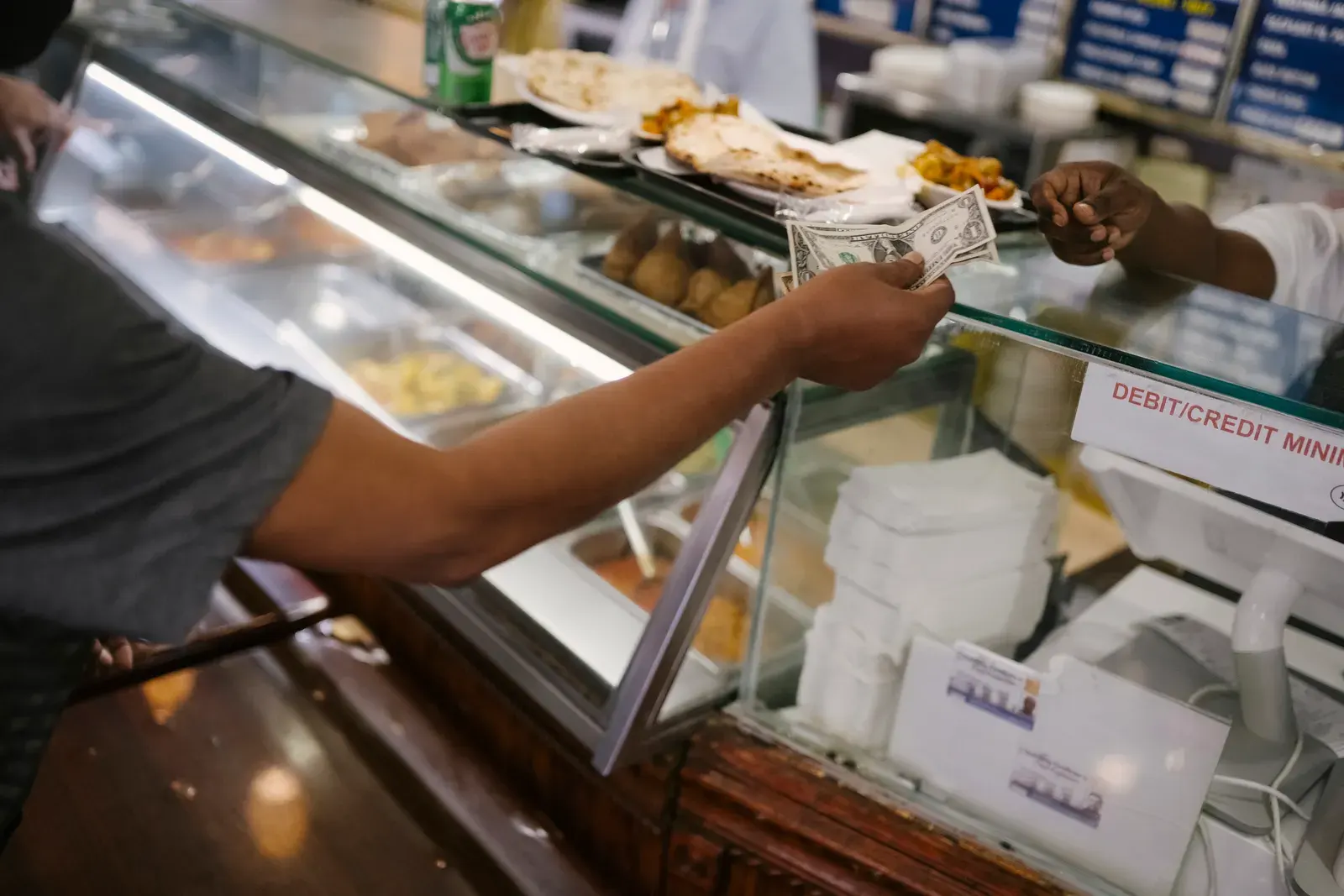
While Bangkok is a modern metropolis, cash remains the preferred method of payment for many everyday transactions, especially when you venture beyond major shopping malls and international hotel chains. For authentic experiences like enjoying street food, bargaining at local markets such as Chatuchak Weekend Market, or taking a local taxi or tuk-tuk, having Thai Baht in smaller denominations is crucial. It ensures smooth transactions and avoids potential issues with vendors who may not have change for larger notes. Consider exchanging a portion of your travel budget into baht before or upon arrival at Suvarnabhumi Airport, where the Airport Rail Link connects to the BTS Sukhumvit line at Phaya Thai station, making it easy to access the city.
Using Credit and Debit Cards
Major credit and debit cards are widely accepted in Bangkok’s larger establishments. You will find that hotels, upscale restaurants, and large department stores readily process card payments. This offers a convenient and secure way to handle larger expenses during your trip. However, it is always wise to inform your bank of your travel plans to avoid any security holds on your card. Keep an eye out for any foreign transaction fees your bank or card issuer might charge, as these can add up over time. For example, if you are staying near BTS Phra Khanong, you will find many modern conveniences, but local eateries might still prefer cash.
| Payment Method | Best For | Acceptance | Considerations |
|---|---|---|---|
| Cash (Thai Baht) | Street food, local markets, small shops, taxis | Universal for small transactions | Carry small notes, avoid large bills |
| Credit/Debit Cards | Hotels, department stores, upscale restaurants | Widespread in larger venues | Check for foreign transaction fees, inform bank |
| ATMs | Cash withdrawals | Very common city-wide | ATM fees apply for international cards |
| Mobile Payments | Some modern shops, cafes | Growing, but not universal | Requires local apps or specific services |
Accessing Cash: ATMs and Exchange Services
ATMs are ubiquitous in Bangkok, found at banks, convenience stores, shopping centers, and even many BTS Skytrain stations. This makes it easy to withdraw cash as needed. Be aware that most Thai ATMs charge a fee for international card withdrawals, in addition to any fees your home bank might impose. For currency exchange, you will find numerous exchange booths throughout the city, often offering competitive rates. It is generally advisable to avoid exchanging large sums at the airport, as rates can sometimes be less favorable than those found in central areas. Always count your change and keep your receipts.
Tipping Etiquette in Bangkok
Tipping in Bangkok is not as deeply ingrained in the culture as it is in some Western countries, and it is generally not mandatory. However, for exceptional service, a small tip is always appreciated and can be a meaningful gesture of gratitude. In many restaurants, a service charge may already be included in your bill, so check before adding an extra tip. For taxi drivers, rounding up the fare is a common practice. For hotel staff, a small gratuity for porters or housekeepers is a thoughtful way to acknowledge their service. Remember, any tip given is a bonus for good service, not an obligation.
Plan your stay
StayAt Bedever is a boutique hotel about 15 steps from BTS Phra Khanong, run by a Singaporean hospitality team. It is built for exactly the trip this guide describes: a clean, comfortable, well connected base with our own Born to Bean cafe downstairs and a proper 5-Star Sleep setup upstairs.
Book direct and you deal with the people who actually run the hotel, not a booking platform, and our direct guests get a little extra every stay.
Book StayAt Bedever direct, or just chat with us on WhatsApp or LINE.
Key Questions Answered
Is it better to use cash or card in Bangkok? It is best to use a combination of both. Cash is essential for street food, local markets, and smaller vendors, while cards are widely accepted in larger establishments like hotels and department stores.
Are ATMs readily available in Bangkok? Yes, ATMs are widely available throughout Bangkok, including at banks, convenience stores, shopping centers, and BTS Skytrain stations, making cash withdrawals convenient.
Is tipping customary in Bangkok? Tipping is not mandatory in Bangkok, but a small gratuity for good service is always appreciated. Many restaurants may include a service charge, so it is good to check your bill.
What are common tipping amounts for various services? For taxis, rounding up the fare is common. For hotel staff like porters or housekeepers, a small tip is a thoughtful gesture. In restaurants, if no service charge is included, a small percentage of the bill or a rounded-up amount is suitable for good service.
Should I exchange currency before arriving in Bangkok? It is advisable to exchange a small amount of currency before or upon arrival for immediate expenses. You can find competitive exchange rates at various booths throughout the city, often better than airport rates for larger sums.
Sources
Where can the Airport Rail Link from Suvarnabhumi Airport take me? - THAILAND.GO.TH Area Map - BTS Chatuchak Weekend Market - Tourism Authority of Thailand